Biochar for
Remediation & Reclamation
Valorize provides biochar and technical support for contamination treatment and land reclamation projects.
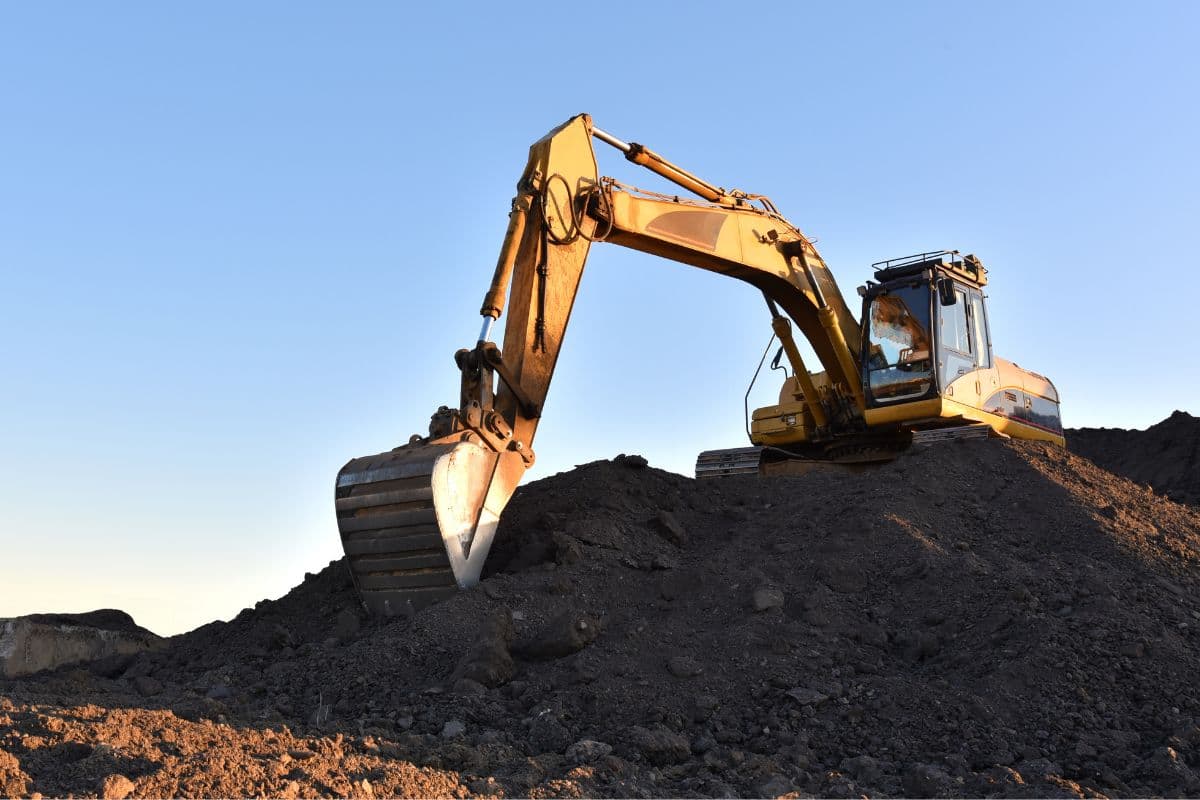
Remediation & Reclamation
Biochar immobilizes contaminants, solidifies waste, and restores degraded soils—while sequestering carbon across all applications.
Contamination Treatment
Waste Solidification
Pass Paint Filter tests with lower dosing rates
Metals Immobilization
Soil stabilization and acid mine drainage treatment
PFAS Sequestration
Immobilize PFAS in contaminated soil and sediment (emerging)
Land Restoration
Site Revegetation
Reclamation and revegetation with documented carbon sequestration
Soil Improvement
Enhance soil structure and water retention on disturbed sites
How It Works
For Active Projects
Valorize connects contractors with biochar suppliers and provides specifications, dosing recommendations, and performance data from similar sites.
For Field Research
Valorize works with Natural Resources Research Institute (biochar characterization and testing) and Norwegian Institute of Bioeconomy Research (metals and PFAS research) to generate site-specific performance data.
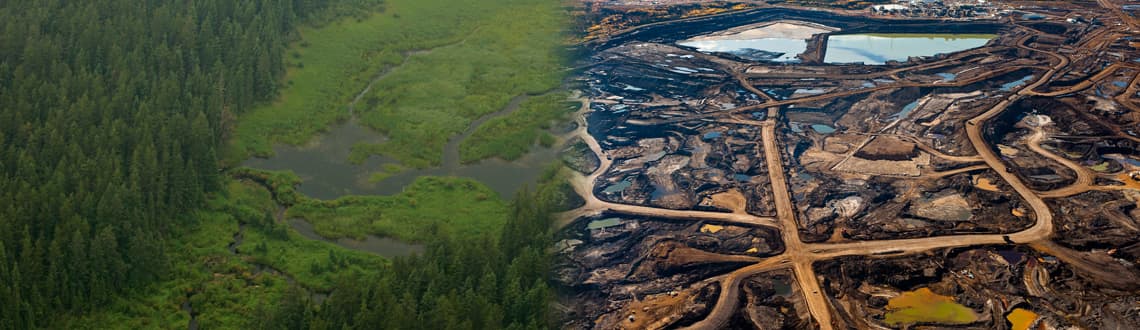
REGULATORY RECOGNITION
Regulatory Recognition and Field Validation
Interstate Technology & Regulatory Council (ITRC) PFAS Treatment Guidance
ITRC is the authoritative interstate body that establishes technology standards for remediation practitioners and state regulators. Their PFAS treatment guidance categorizes technologies based on field implementation and documentation.
Biochar's Status
ITRC classifies biochar as a limited application technology for PFAS treatment. This means biochar has been tested at pilot and full-scale with documented results, but has not yet reached the extensive multi-site validation of field-implemented technologies like GAC and ion exchange.
Active Research
ITRC references multiple DOD-funded studies on biochar for PFAS, including rapid delivery systems for in situ groundwater treatment and green remediation approaches for soil and water.
What This Means for Your Projects
- Biochar is recognized as a legitimate treatment option by regulators and practitioners.
- Pilot studies show biochar ranks second in PFAS removal efficiency, behind only GAC.
- Early adopters can validate performance while biochar transitions from limited application to field-implemented status.
- Site-specific validation is still required, which is why we support contractor-led field trials with performance documentation.
Current Field-Implemented Technologies
For PFAS in water, only three sequestration technologies have full field-implementation status:
- Granular Activated Carbon (GAC)
- Ion Exchange Resins (IX)
- Reverse Osmosis (RO)
These technologies remove PFAS but do not destroy it. Biochar offers similar sequestration at 60-80% lower cost, with the added benefit of carbon removal.
SITE RESTORATION RESEARCH
Field Research from ExxonMobil
Multiple peer-reviewed studies led by ExxonMobil researchers demonstrate biochar's effectiveness for site restoration applications common in O&G operations.
Salt-Affected Soil Restoration
Incubation, column leaching, and growth chamber experiments showing biochar's role in remediating salt-impacted land.
Borrow Pit and Disturbed Land Reclamation
Soil Properties Following Borrow Pit Reclamation with Insufficient Topsoil Amended with Peat and Biochar
Revegetation of Disturbed Land Reclaimed with Suboptimal Topsoil Replacement Depth and Organic Amendments
Topsoil Reconstruction
Use of Biochar and Oxidized Lignite for Reconstructing Functioning Agronomic Topsoil: Effects on Soil Properties and Plant Growth Response and Soil Nutrient Concentrations
WHO WE SERVE
Who We Work With
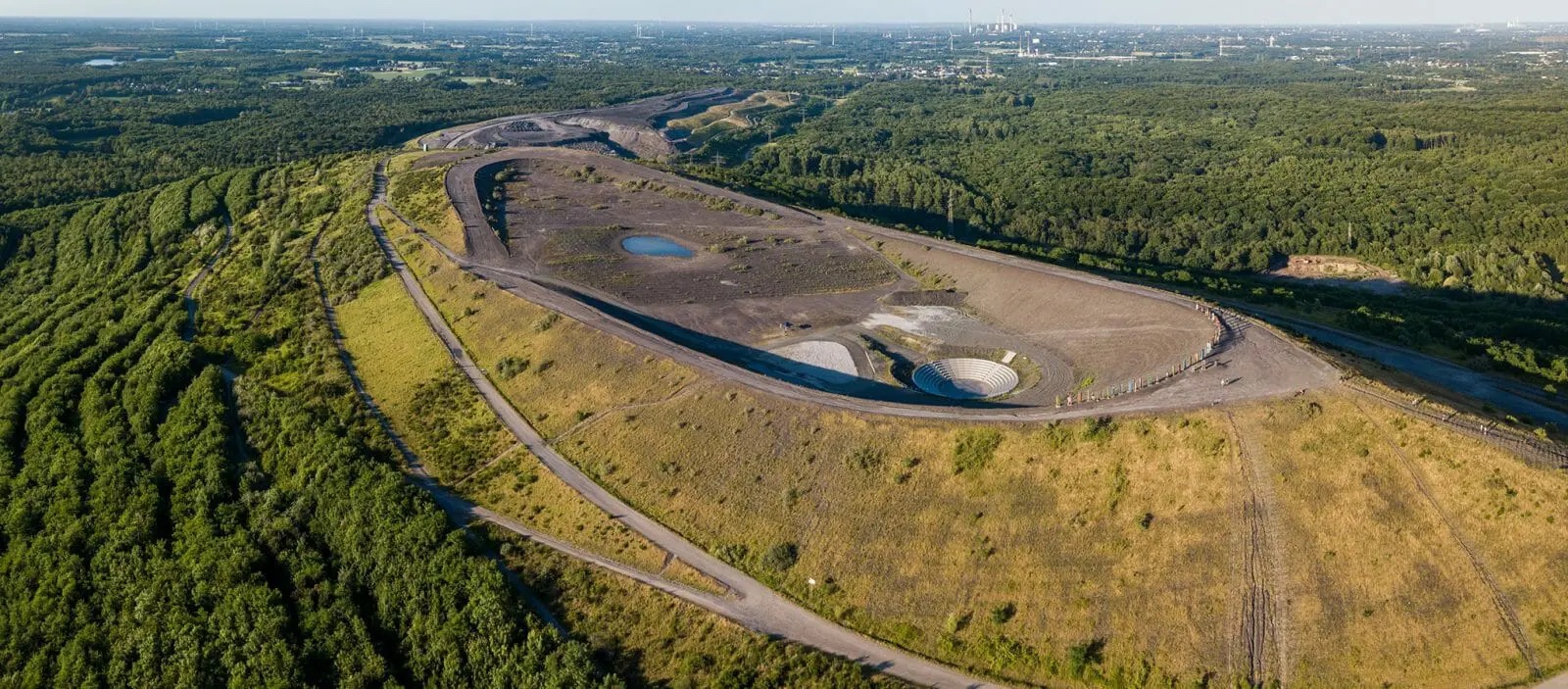
Remediation Consultants
Whether treating contamination or restoring land, Valorize provides technical documentation, performance data, and connections to biochar producers.
Contractors
Valorize connects you with biochar suppliers and provide technical specifications for implementation. Serving both contamination treatment and land restoration projects.
Industrial Operators
Exploring biochar directly? Valorize connects you with research partners like NIBIO and NRRI to validate performance for your sites.
ACROSS INDUSTRIES
System Optimization for Water, Waste, and Civil Engineering
Biochar fits directly into existing remediation systems—water treatment beds, waste solidification, soil stabilization—without major equipment changes. Its porous structure captures contaminants while sequestering carbon.
Site Restoration
Speed up bond release on disturbed land. Biochar improves soil structure, supports revegetation, and sequesters carbon.
Multi-Phase Remediation
Use biochar across waste treatment, water systems, and site restoration in a single project.
Drilling Waste Management
Pass the Paint Filter Test with less material. Lower dosing rates mean reduced waste volume and disposal costs.
Produced Water Treatment
For PFAS removal, we supply specialized biochar with the right specifications for your treatment system.
Frequently Asked Questions
NEXT STEPS
Ready to Learn More?
Let's discuss whether biochar works for your project, including: application fit, validation requirements, and cost comparisons.
- Evaluate biochar performance vs. conventional treatment systems.
- Review performance data and cost savings projections.
- Discuss implementation logistics and compliance requirements.
Deliverables
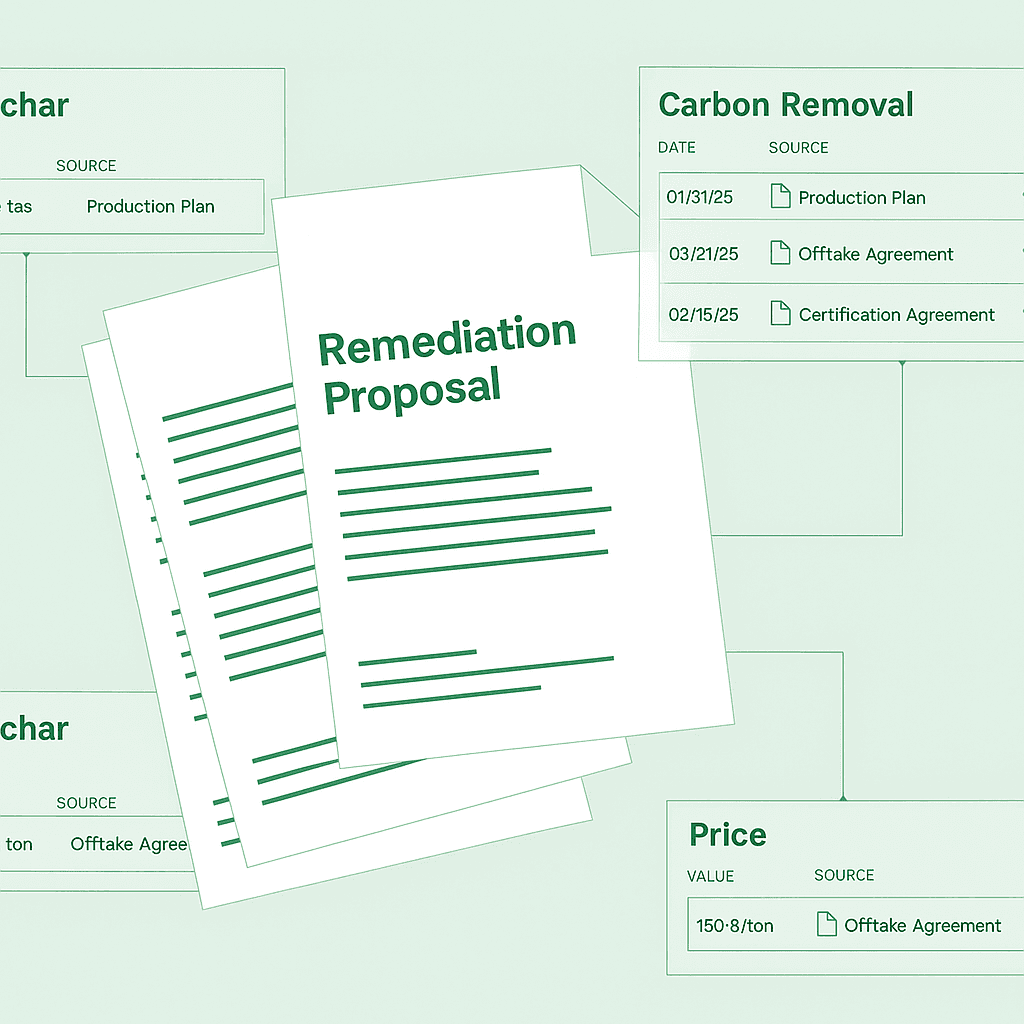
Our advisory team delivers site recommendations, dosing guidance, and ready-made pilot proposals for internal share-out.