1
pH-Managed Chemistry
Peat-heavy substrate programs are less forgiving of high-pH biochar because multiple substrate studies reported pH increases relative to peat controls or peat-based blends.
Treat pH as a specification, not a side effect.
Valorize helps substrate teams qualify pH-managed material, compare feedstocks, and structure trials before a broader rollout.
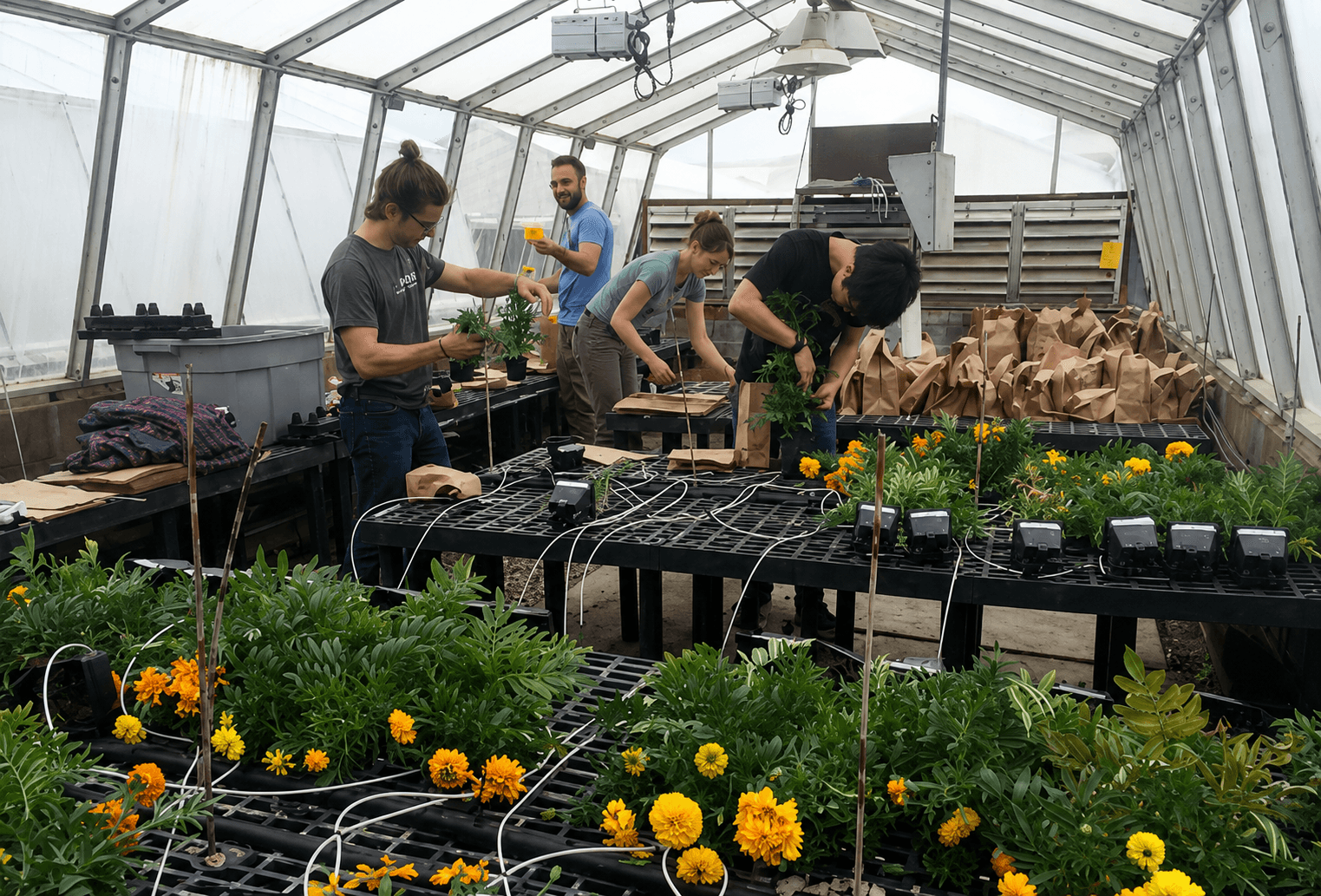
The strongest commercial case is not generic peat replacement. It is controlled qualification of a material that can stay inside the chemistry and performance window the blend already needs.
Peat-heavy substrate programs are less forgiving of high-pH biochar because multiple substrate studies reported pH increases relative to peat controls or peat-based blends.
Published horticultural studies separate woody or lignocellulosic biochars from higher-salt, nutrient-rich materials because salinity risk and alkalinity shift materially with feedstock.
The substrate literature shows usable peat substitution points can exist, but water relations and air-filled porosity move with inclusion rate and crop context.
We usually see the first peat-biochar work happen in controlled commercial lines where R&D and procurement can compare batches and de-risk scale-up.
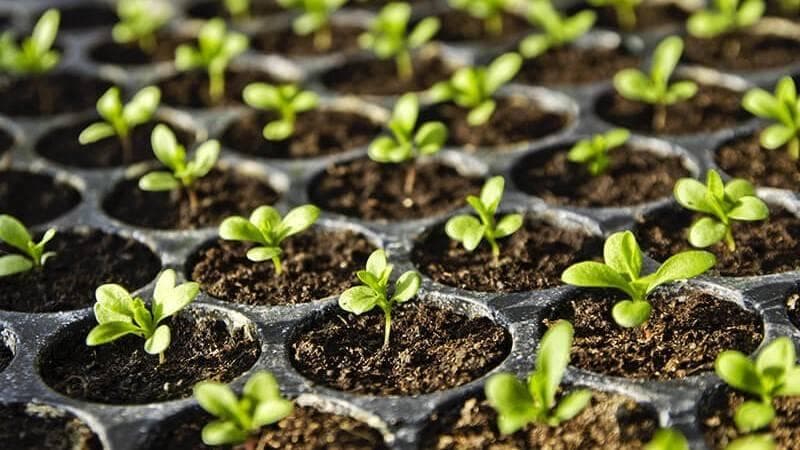
A controlled pilot line lets R&D teams compare batches, watch pH drift, and decide whether the material belongs in a broader commercial program.
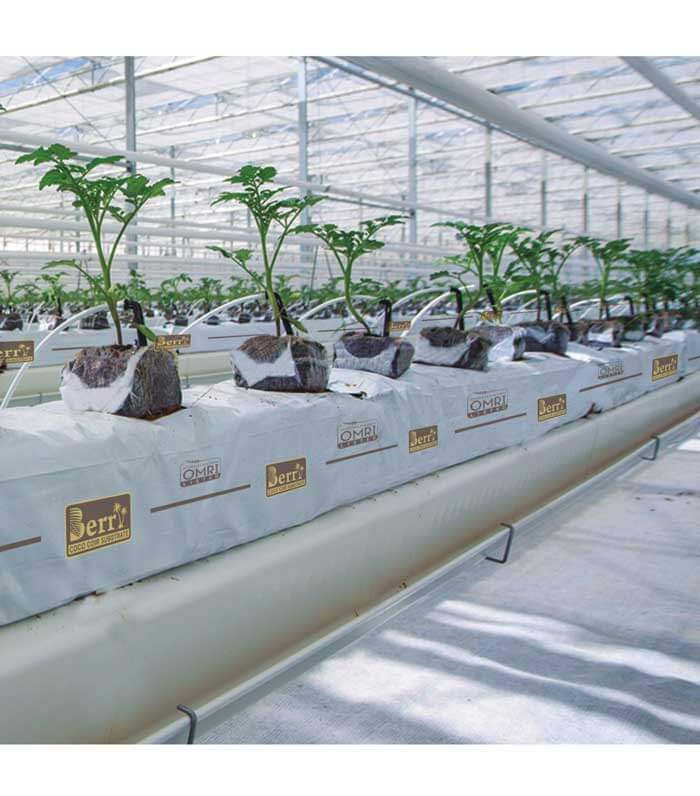
Longer-cycle crops are a practical place to evaluate how the blend behaves across repeated irrigation and fertility management without changing the full portfolio at once.

Commercial potting lines create a useful validation surface for particle-size consistency, wetting behavior, and delivered economics before scale-up.
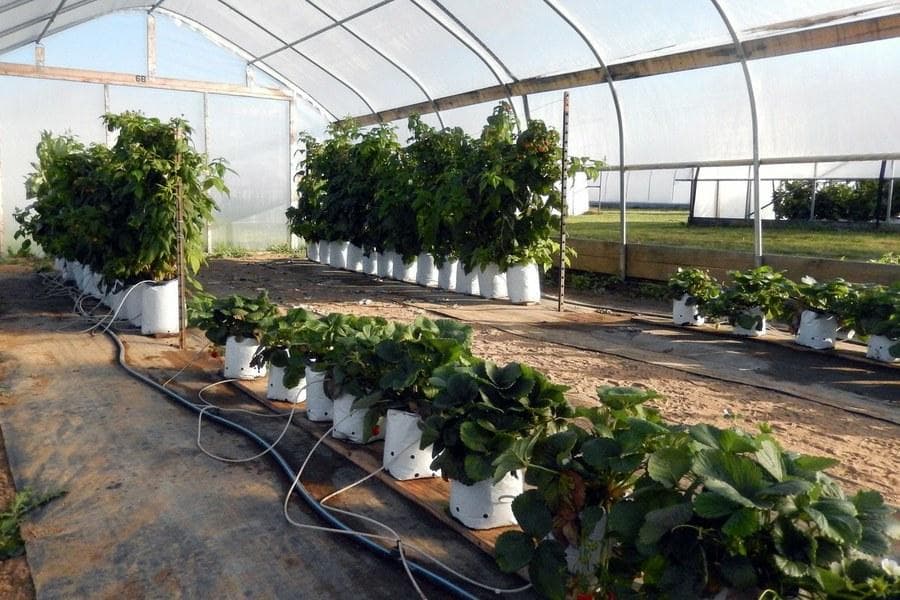
A small pilot SKU keeps the technical work visible while limiting operational risk during supplier qualification and customer review.
The first commercial conversation is usually about material fit, rate design, and documentation rather than volume alone.
For Peat-Heavy Blends
Published peat and soilless studies support woody or lignocellulosic materials more strongly than nutrient-rich alternatives, but they still show that pH management has to be deliberate.
Rate Determines Performance
Across published substrate trials, workable inclusion points fall in the same general range, but higher rates can change available water, air-filled porosity, and pH response.
Documentation Before Scale-Up
European commercialization usually starts with a documentation package that maps the material to the regulatory pathway and an applicable certification framework.
Common buyer questions for peat-substrate qualification, trial design, and supplier screening.
We help buyers compare trial-ready material, pressure-test supplier documentation, and shape a first qualification plan before broader commercial rollout.