Valorize Projects
Browse biochar projects from around the world
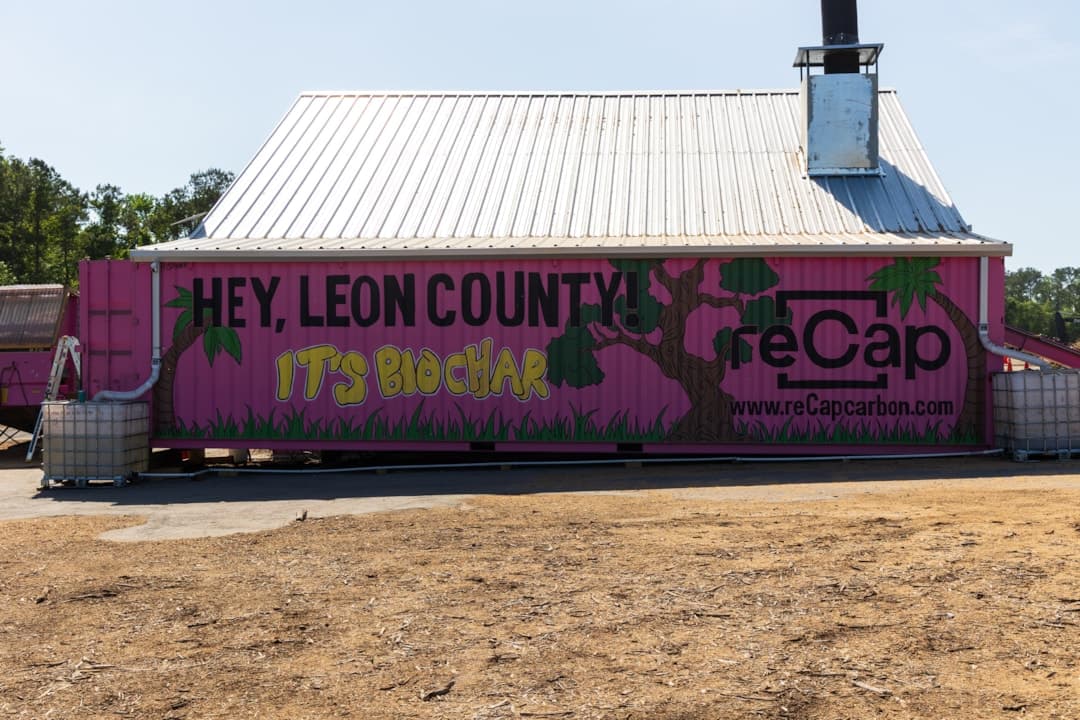
Florida Municipal Waste-to-Biochar Program
United States
ReCap Inc
Municipal waste diversion project in Florida converting green and brown waste (yard debris, storm debris) into biochar through 12-year county partnership. ReCap Carbon operates at the county landfill site where biomass was previously ground and shipped to Georgia for burning, creating a strong emissions reduction story. This facility has been operational since early 2025.
Puro
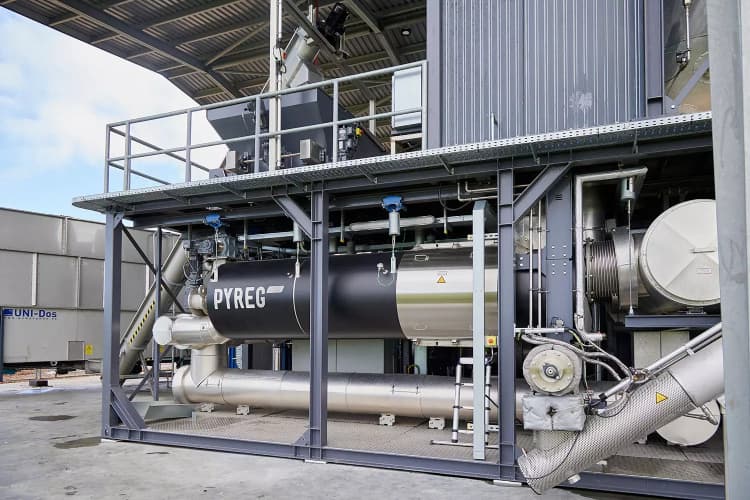
Orbital Biocarbon Canonsburg
United States
Orbital Biocarbon
The Orbital Biocarbon Canonsburg Biosolids-to-Biochar Carbon Removal Project converts municipal wastewater biosolids from the Pittsburgh metropolitan region into stable biochar using high-temperature pyrolysis in Canonsburg, Pennsylvania. By transforming a waste stream that would otherwise be landfilled into a durable carbon-rich material applied to soils, the project achieves approximately 1,400 tonnes of net CO₂ removal per year. The facility is co-located with wastewater treatment infrastructure to minimize transport emissions and operates under the Isometric biochar carbon removal methodology, delivering long-term (1,000 year) carbon storage while supporting circular waste management and regional soil health
Isometric
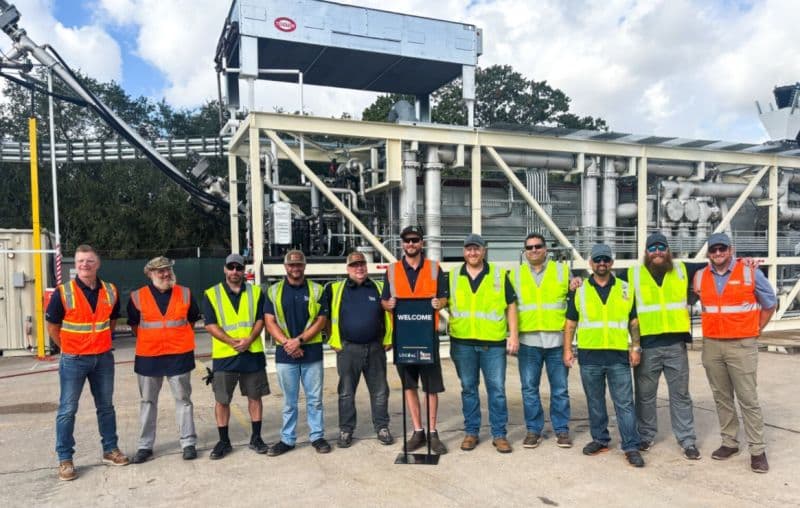
48forty Houston
United States
LOCOAL
Industrial waste diversion project converting pallet wood residues into biochar at 48forty's Houston facility. LOCOAL's Rainmaker technology processes 48 tons daily of wood waste that was previously sent to mulch/landfill, creating biochar, syngas, and bio-liquids. Key Elements: - Feedstock: Wood pallet residues from 48forty's recycling operations - Technology: LOCOAL Rainmaker pyrolysis system with integrated data capture - Scale: 2 tons/hour capacity, 10-hour operations (expandable to 24/7) - Products: Biochar + clean energy (1.5-2MW potential) + bio-liquids - Offtake: Confirmed for biochar in landscaping in Texas
Isometric
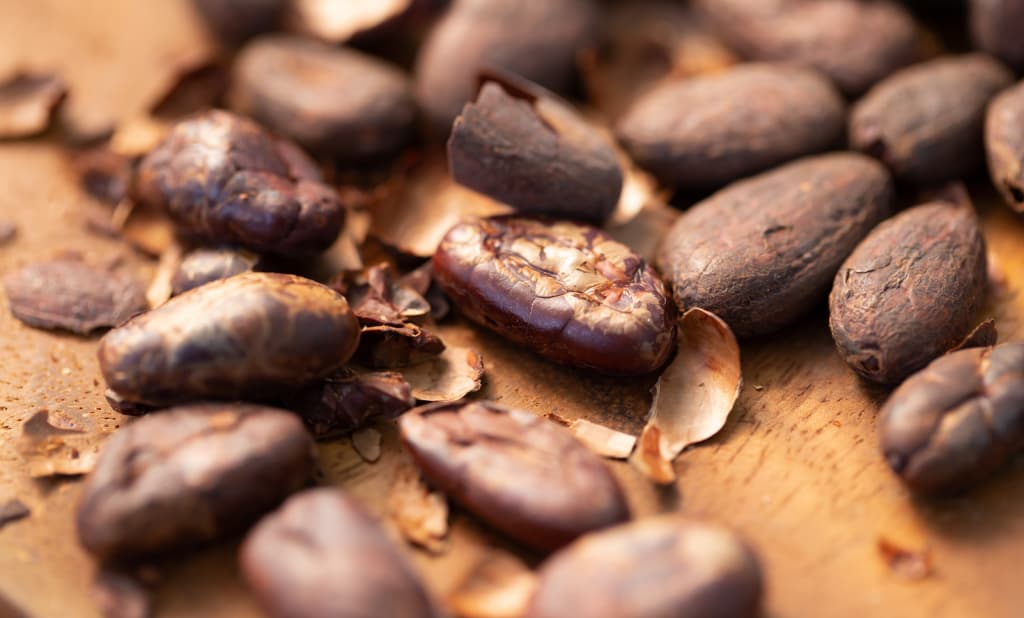
Yopougon Biochar
Côte d'Ivoire
Cargill
Cargill Cocoa, in partnership with Valorize Systems, is piloting a biochar initiative in Côte d’Ivoire that transforms cocoa processing residues into a stable soil amendment, closing the loop on processing waste. The project’s pyrolysis first unit is designed to produce around 700 metric tons of biochar per year—sequestering an estimated 1,250 tCO₂e annually—while enhancing soil structure, water retention, and nutrient availability on participating cocoa farms and neighboring plots. Under a formal end-use declaration, 100 percent of the biochar produced will be applied exclusively as a soil amendment on cocoa farms, with controlled trials conducted alongside the University of Edinburgh to validate agronomic benefits throughout the 2025 growing season.
Puro
Sitos Treehouse Plant, LLC
United States
Sitos Group
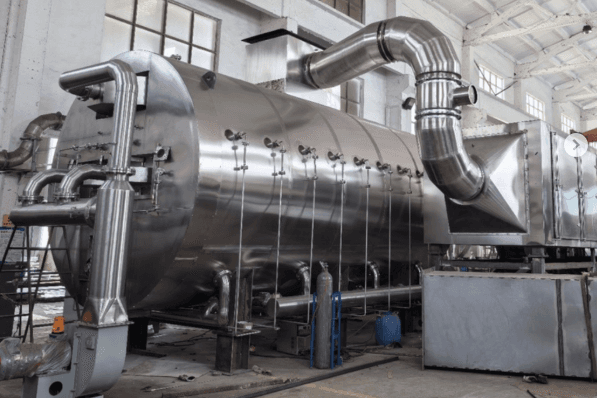
The Sitos/Treehouse Biochar Project will install and operate three continuous slow pyrolysis reactors to convert almond shells—both from Treehouse Almonds and regional suppliers—into biochar. Located at the Treehouse Almonds Huller facility in Delano, CA, this project follows a farmer-to-farmer model, where biochar is made by growers and used by growers, creating a closed-loop system that enhances soil health while reducing agricultural waste. To further support long-term adoption, Sitos Group has secured a biochar off-take agreement with agricultural clients, ensuring that the biochar produced is reinvested into local vineyards and orchards. This project aligns with four key economic movements: the Circular Economy (repurposing waste), the Carbon Economy (removing CO₂), the Renewable Energy Economy (reducing fossil fuel reliance), and Regenerative Agriculture (enhancing soil health). The Sitos Biochar facility will process 24,000 tons of almond shells annually, producing approximately 8,000 tons of biochar. The project includes integrated emissions controls, ensuring compliance with air quality regulations while minimizing environmental impact.
Isometric
Sabah
Malaysia
Verde Resources
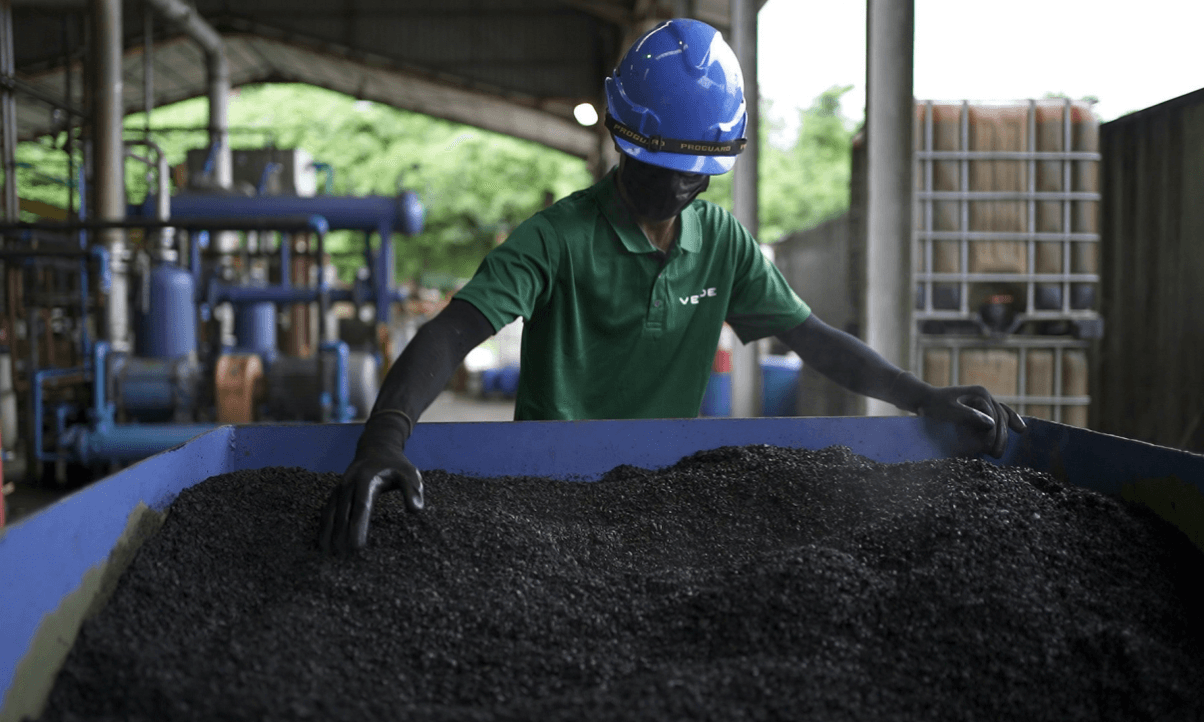
BioFractionTM is a biomass fractioning pyrolysis facility located in Lahad Datu, Sabah. This facility utilizes advanced pyrolysis technology to convert oil palm biomass into various renewable products, including biochar, wood vinegar, bio-oil, and biogas.
Puro
SilvaTech
Canada
Takachar
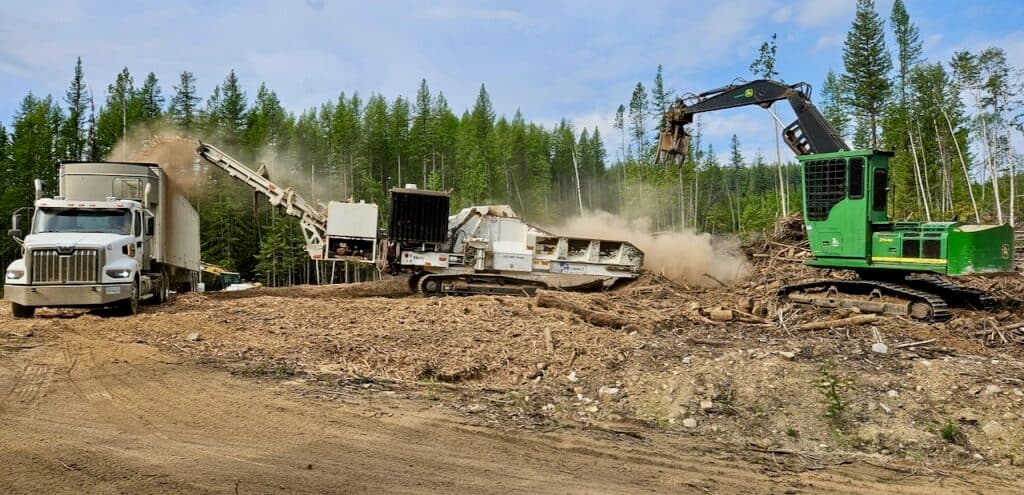
SilvaChar Environmental Inc. operates a biochar production facility in British Columbia that converts forestry slash and wood waste—material that would otherwise be openly burned and emit significant greenhouse gases—into stable biochar that sequesters carbon for centuries. Using a modified Takachar pyrolysis system, the project processes hog fuel feedstock into biochar products for agricultural and landscaping applications while generating verified carbon credits by accounting for operational emissions and net carbon storage. The project aims to scale as a regional alternative to slash burning, delivering durable carbon removal alongside soil productivity benefits and reduced nutrient runoff.
Puro
Holla-Fresh
Australia
RBE
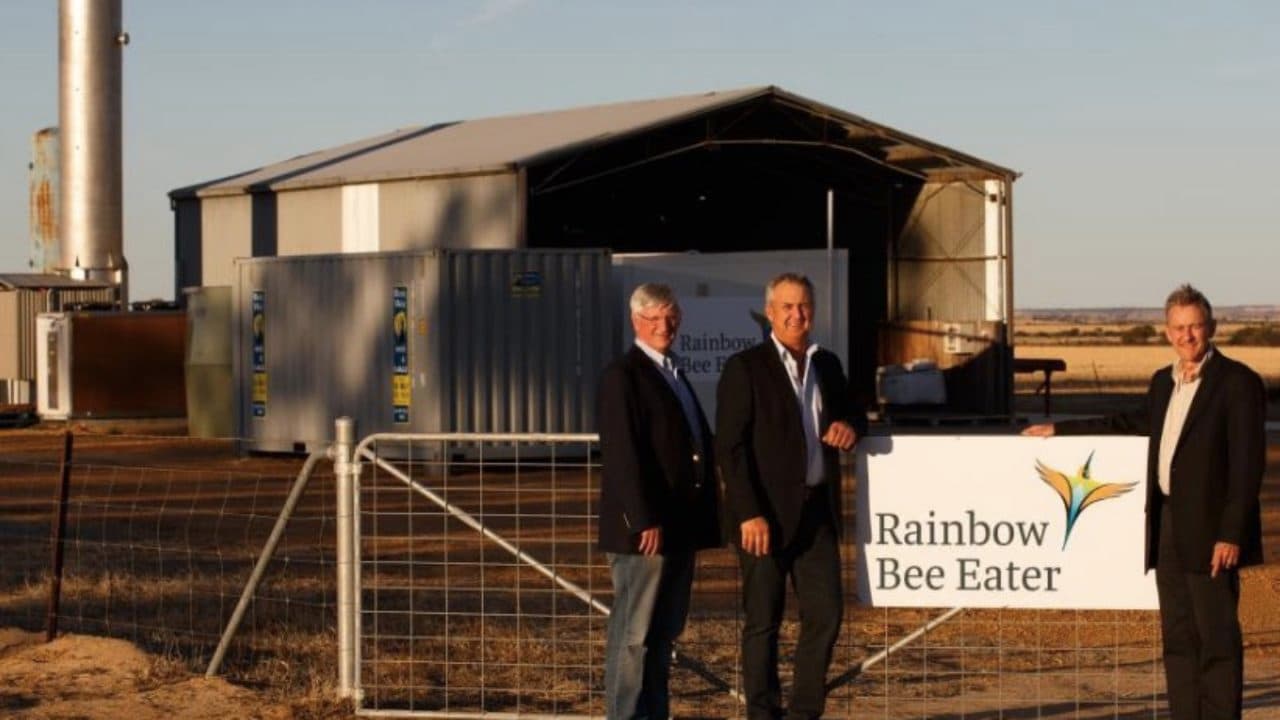
The local impacts of the ECHO2 project are multifaceted, encompassing environmental, economic, and social dimensions. Environmentally, the project contributes to reducing greenhouse gas emissions through the sequestration of carbon in biochar and the utilization of syngas as a renewable energy source. Economically, it fosters local industry development by creating a market for biochar and its by-products, thus promoting sustainable agriculture and waste management practices. Socially, the project enhances community awareness of sustainable waste management and encourages collaboration among local businesses, such as the partnership with BioGro. These local impacts highlight the project's comprehensive approach to addressing environmental challenges while supporting local economies and communities.
Puro
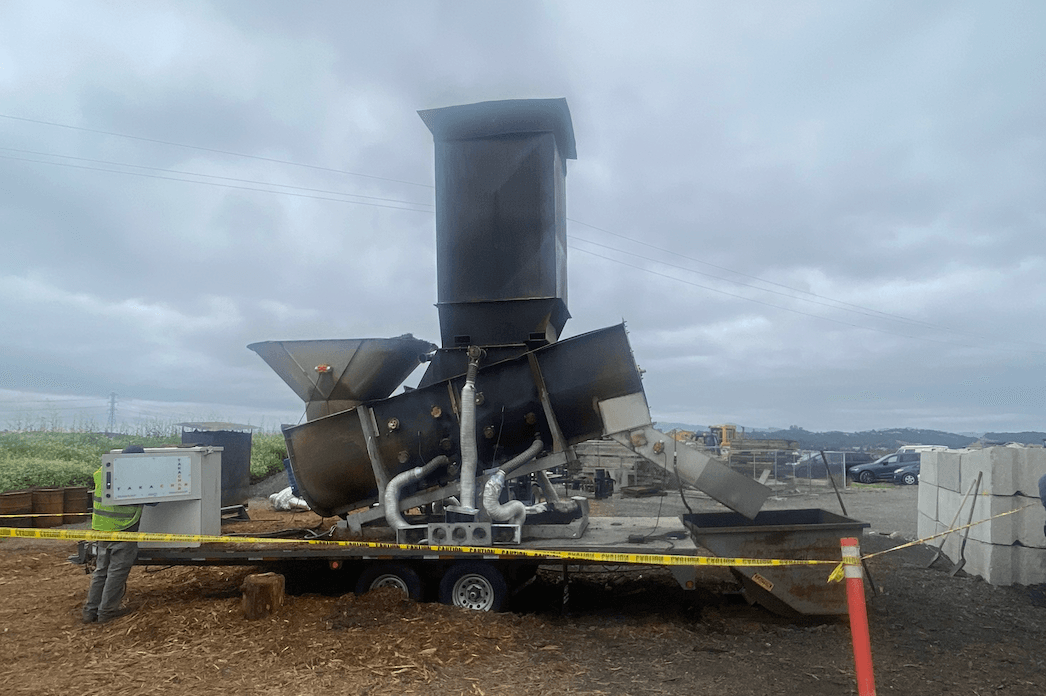
Takachar Sonoma
United States
Takachar
Location: Petaluma, California, US Equipment: Takavator Pyrolysis Reactor T1000 ('Douglas', 'Coni'). It is stationary. Activity: It has a capacity of processing 1000 kg/hour of raw biomass to 250-400 kg/hour of biochar. Usual duration: 3-5 hr/day. Avg. days operated per year: 150 Feedstock Sourcing Location (furthest collection point): 50 km End Use Location (furthest drop off): Local (0 km) Feedstock type: Rice straw and rice husk, Woodchips Production Start Date: September 1, 2023
Puro

Safi Organics
Kenya
Takachar
Location: Mwea, Wang'uru, Kenya Collaboration with Takachar and Safi Organics to convert rice husk into biochar and distribute organic fertilizers to local farms.
Puro
Greenville
United States
Clean Maine Carbon
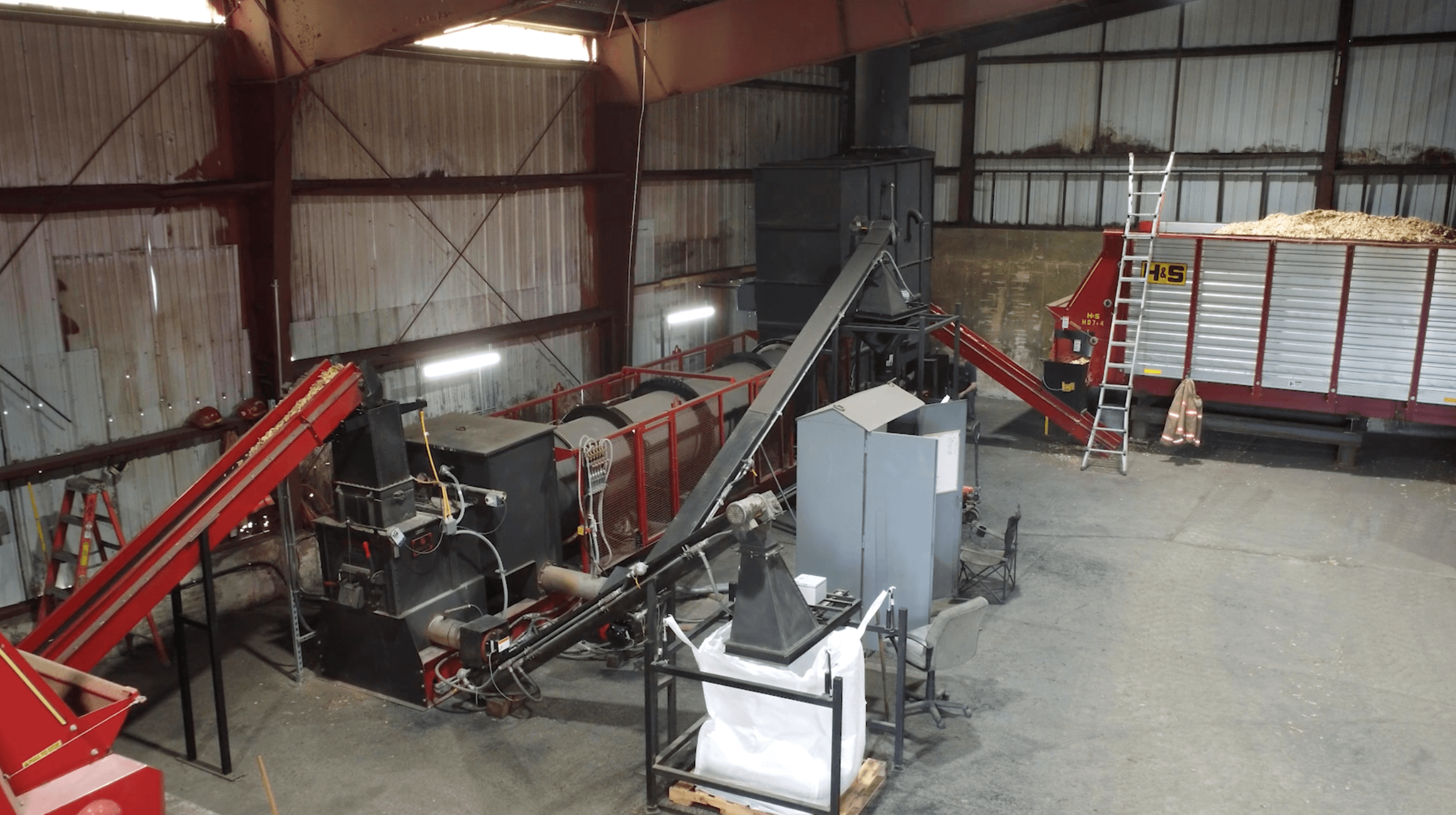
Ownership and Goals: Owned by lifelong Mainers, Clean Maine Carbon aims to boost rural economies through the profitable Greenville Biomass project, focusing on job stability in Piscataquis County and providing reliable energy in Northern Maine. Product and Process: Biochar, the company's primary product, is created by pyrolyzing low-grade waste wood in a low-oxygen environment. This process transforms biomass into a stable form of carbon, reducing atmospheric CO2 and enhancing soil health.
Puro