Ammonia & Odor Control
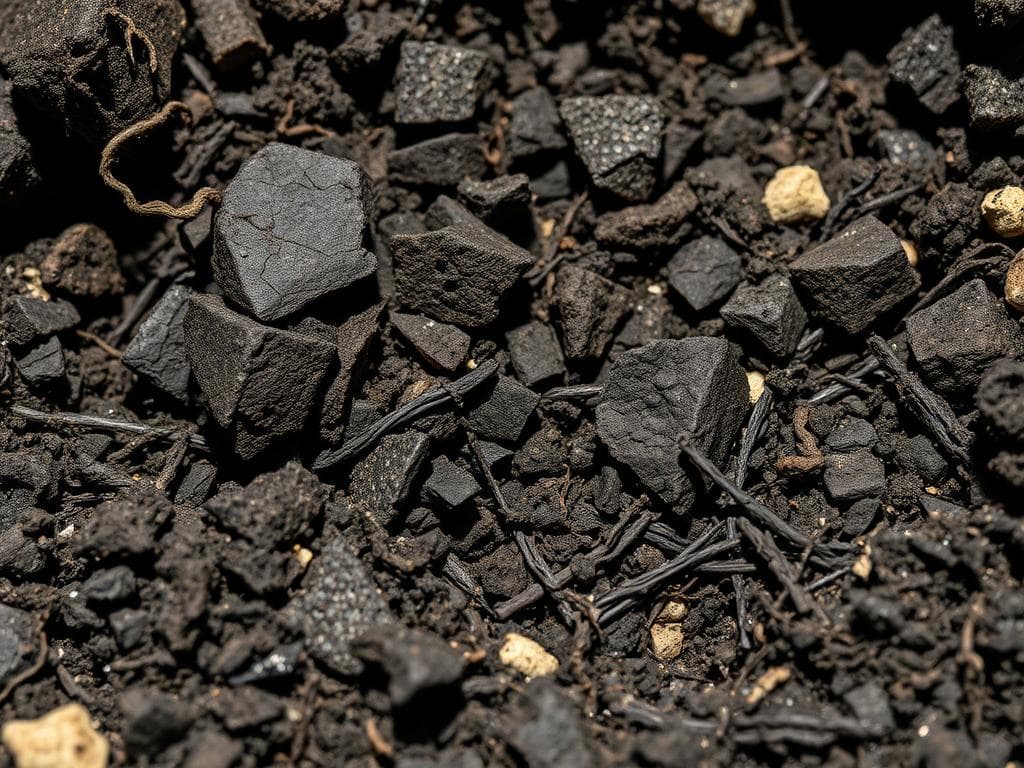
Biochar adsorbs ammoniacal nitrogen and other odor-causing compounds directly in the litter or pack. That gives operators another lever for bird welfare, worker comfort, and ventilation management.
Source biochar for poultry, dairy, swine, and equine bedding programs. Valorize helps buyers qualify products for particle size, moisture, pH, and freight so barns get a bedding additive that fits daily operations instead of a lab-only concept.

Animal bedding buyers usually care about the same three outcomes: lower ammonia, better moisture control, and a cleaner nutrient story when the bedding leaves the barn.
Biochar adsorbs ammoniacal nitrogen and other odor-causing compounds directly in the litter or pack. That gives operators another lever for bird welfare, worker comfort, and ventilation management.
Its porous structure helps bedding stay drier and more friable, especially when blended with shavings, sawdust, rice hulls, or straw. That matters in houses and barns where wet spots quickly become performance problems.
Used bedding can leave the barn with more retained nitrogen and a longer-lived carbon fraction, improving downstream composting and land-application value.
Most buyers start with a trial in the housing system that suffers the most from ammonia, moisture, or clean-out inefficiency.

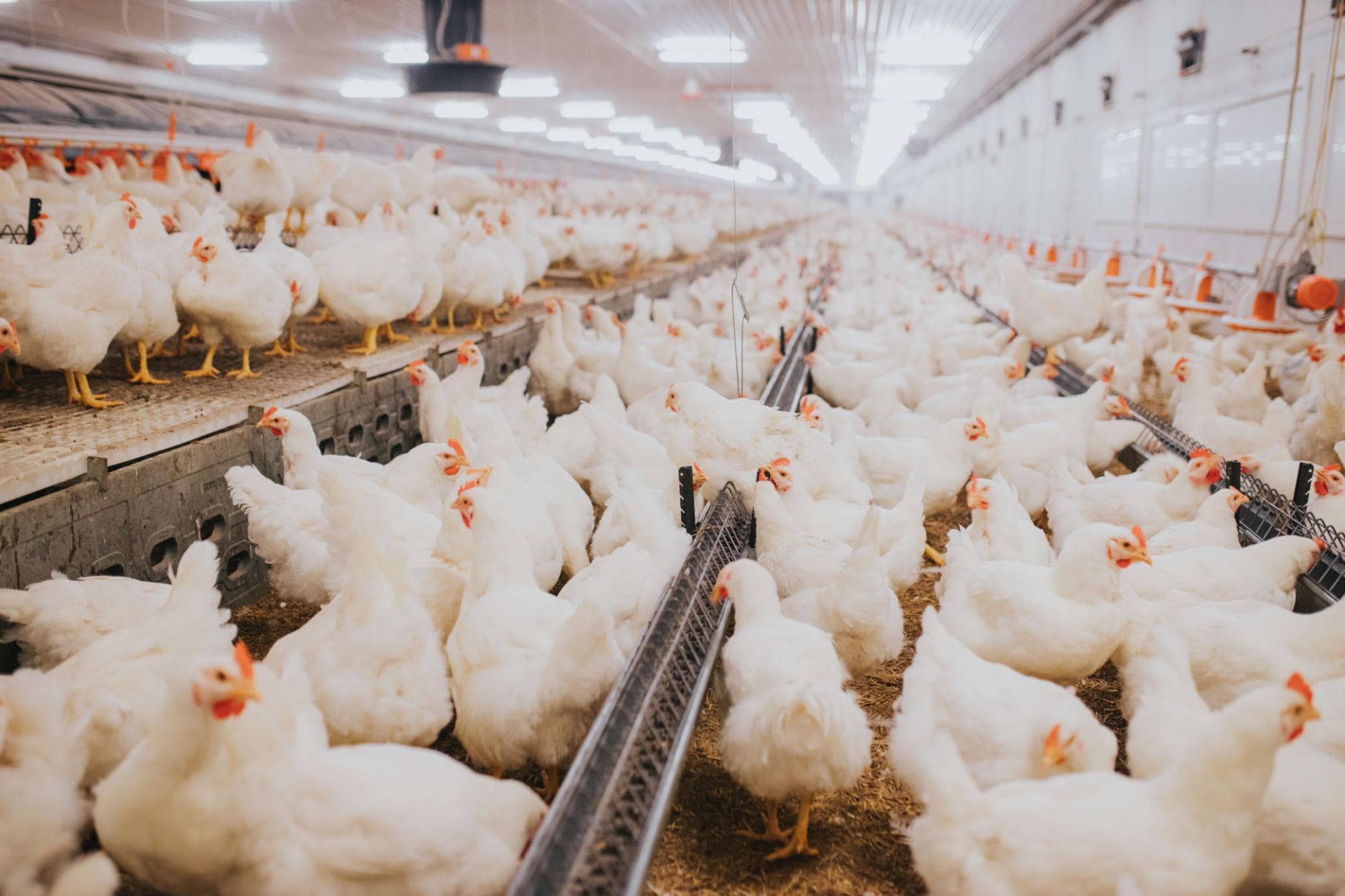
Biochar is being evaluated as a litter amendment where reused bedding, brooding conditions, and ammonia spikes can affect bird health, footpad quality, and ventilation costs.

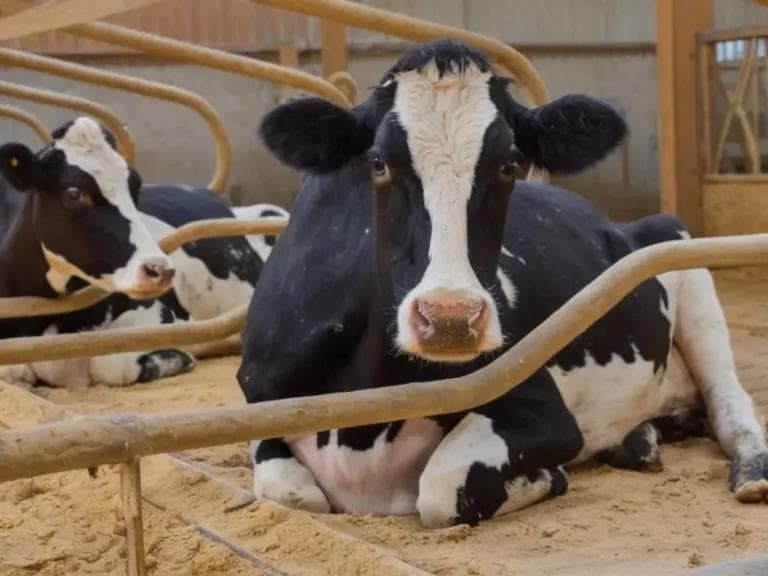
Dairy operations use bedding blends to control odors, keep packs more manageable, and retain more nitrogen in material that will later be composted or land-applied.

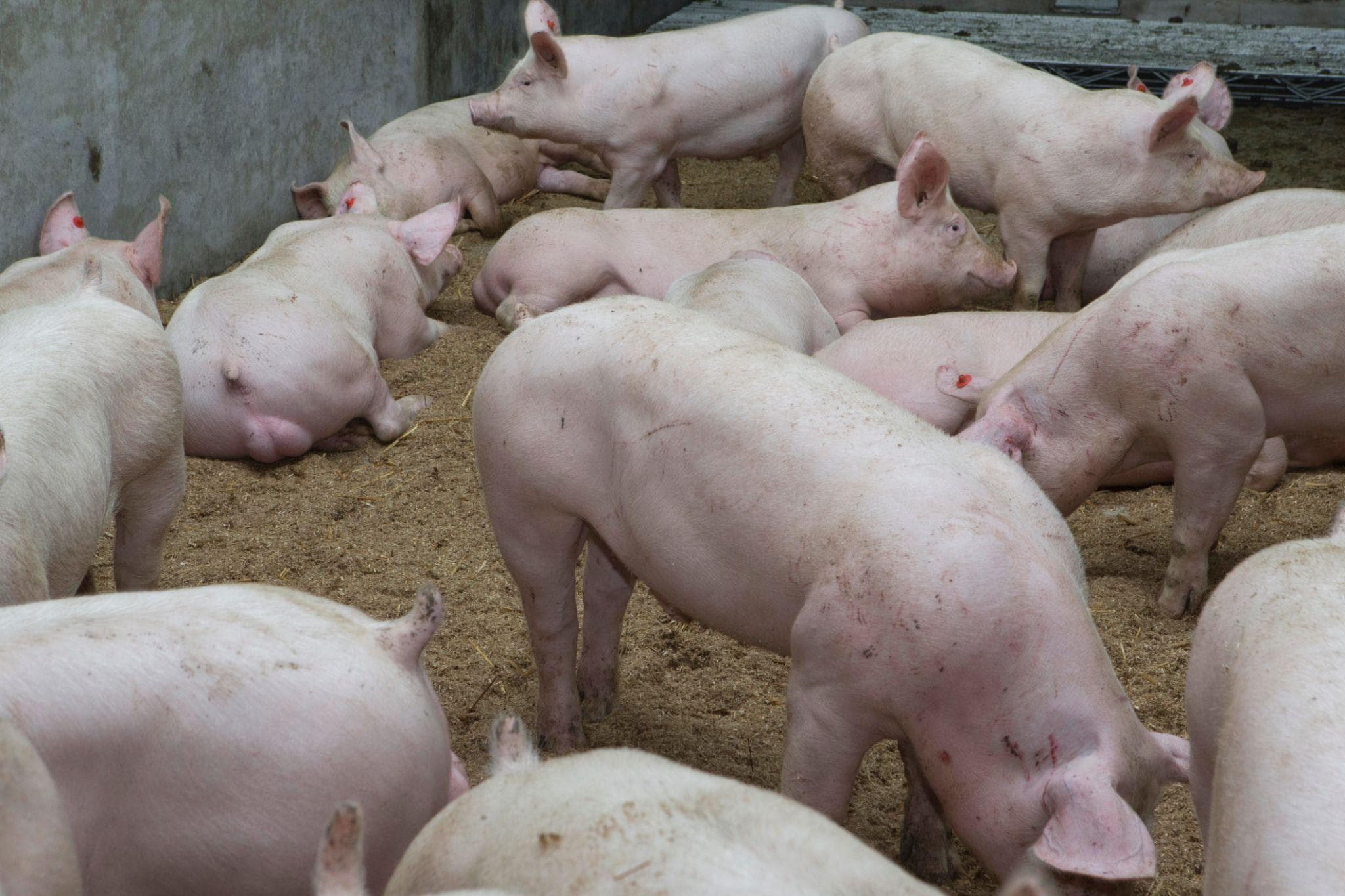
Deep-pack systems and smaller livestock barns can benefit from a drier bedding matrix and fewer odor complaints, especially where manure stays in place for extended periods.

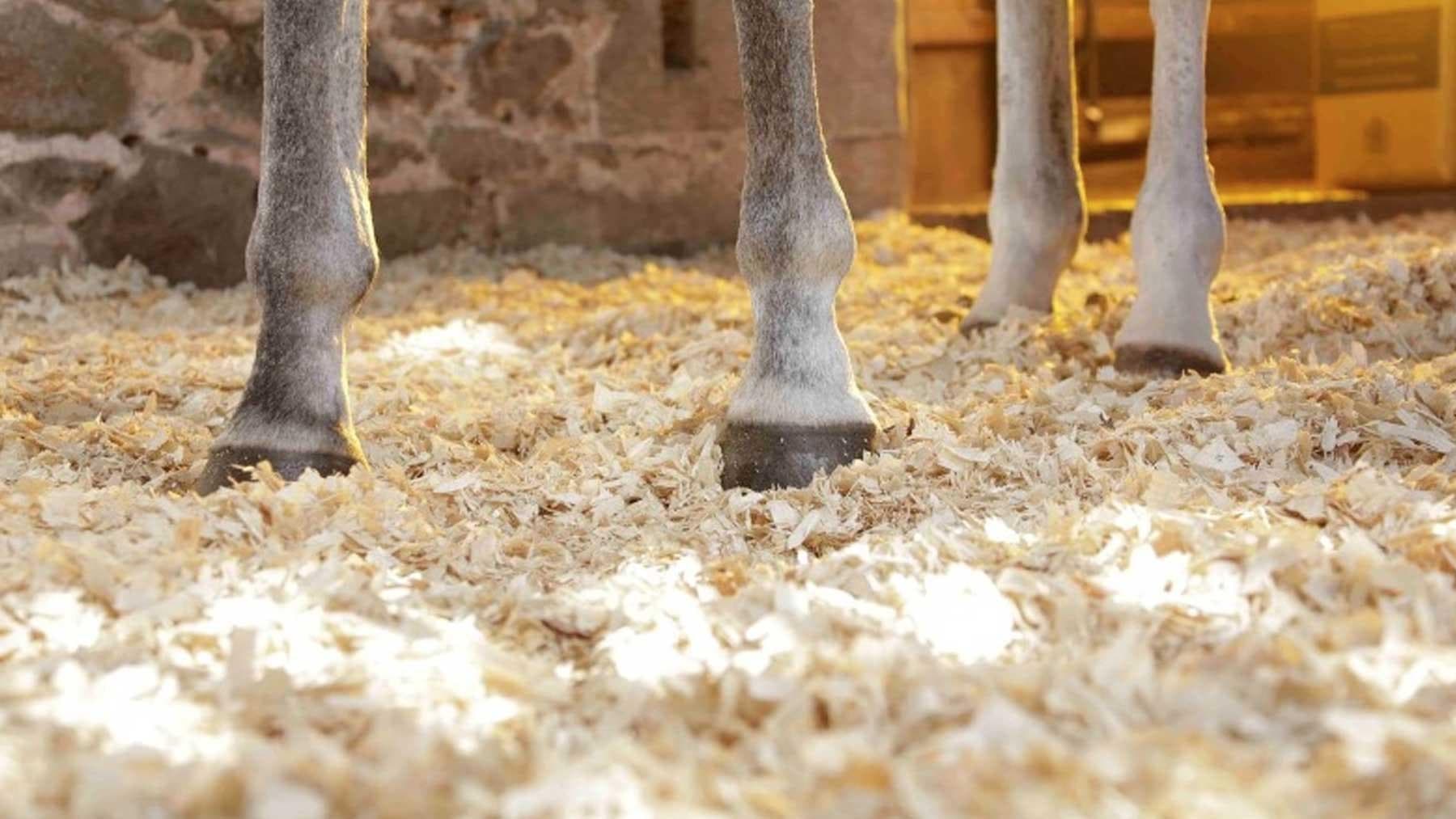
Horse stalls and specialty animal housing often prioritize odor, moisture, and handling. Biochar is usually evaluated as a blend component rather than a full bedding replacement.
The current literature is still application-specific, but the signal is consistent: well-matched biochar can improve bedding moisture handling, ammonia control, and downstream nutrient retention.
Journal of Applied Poultry Research (2019)
A broiler study evaluated biochar as a pre-flock amendment to pine shavings and tracked bird health, litter quality, and water-holding capacity.
Applied Sciences (2025)
Lab-scale bedded-pack work tested rice husk biochar at 5% and 10% dry-weight inclusion for odor and nitrogen outcomes.
Waste Management (2017)
Poultry litter composting trials compared untreated litter with biochar-amended systems to measure nitrogen losses.
+32.2%
Higher water-holding capacity in broiler bedding tests
-43%
Ammonia reduction in a dairy bedded-pack trial
-60%
Ammonia-related nitrogen loss in poultry litter composting
Based on published poultry, dairy, and composting studies. Results vary with feedstock, particle size, blend rate, and barn conditions.
The product is only part of the purchase. The real procurement job is matching the right biochar format, QA package, and freight profile to the way your barns actually run.
For Broiler & Layer Programs
Biochar intended for poultry litter programs is typically screened for low dust, consistent sizing, and a chemistry profile that supports ammonia management instead of making litter harsher to handle.
For Dairy, Swine & Small Ruminants
Pack systems usually need a biochar that blends cleanly with shavings, sawdust, rice hulls, or straw and remains workable for daily bedding management.
For Composting & Land Application
Buyers planning a nutrient-recycling story often want documentation for contaminants, feedstock origin, and the post-bedding path into compost or field application.
Buyers receive matched supply options, delivered pricing, and the QA details needed to run a bedding trial with confidence. We help teams compare blend strategies, operating constraints, and clean-out value before they commit to annual volumes.